In the bustling world of modern machinery and engineering, there exists a quiet hero, often overlooked but undeniably indispensable: hydraulic fittings. These unassuming connectors serve as the linchpins that unite hydraulic systems, enabling the seamless flow of hydraulic fluid and powering a multitude of applications, from heavy industry to transportation. In this exploration, we’ll delve into the realm of hydraulic fittings, examining their various types, their crucial role, and the harmony of precision and power they bring to the forefront of technology.
The Invisible Bridge of Power
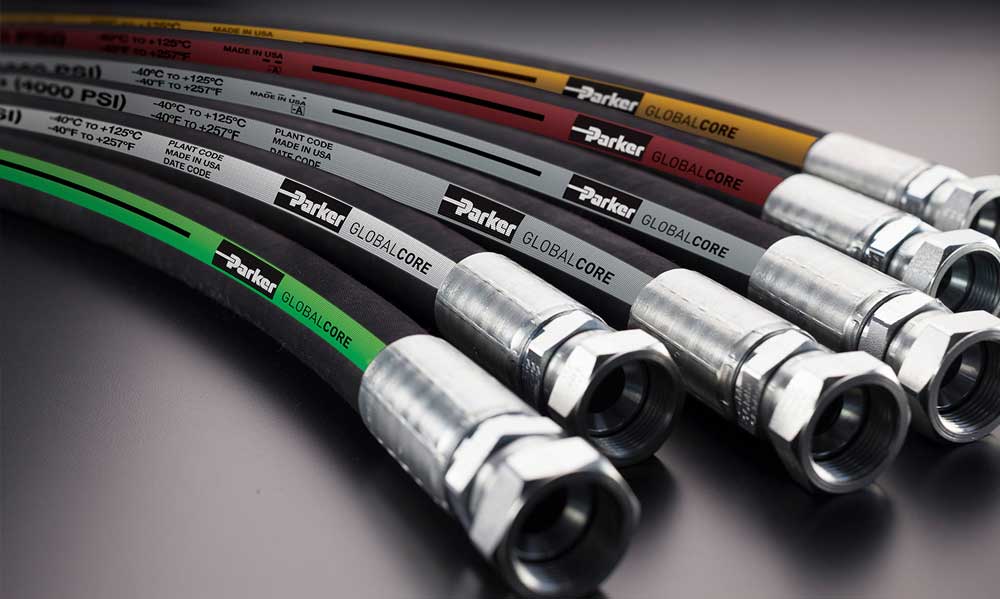
Envision the complex hydraulic systems that breathe life into construction equipment or the intricate mechanisms hidden within the wings of an aircraft. At the core of these systems lie hydraulic fittings, the silent architects that link hoses, pipes, and hydraulic components. These connectors are the conduits through which hydraulic energy surges, allowing machinery to perform with precision.
A Symphony of Types
Hydraulic fittings come in a myriad of types, each meticulously designed for specific applications:
Flared Fittings: Distinguished by their tapered ends, flared fittings excel in high-pressure environments, such as the hydraulic brake systems of vehicles.
Quick-Connect Fittings: Crafted for effortless connections and disconnections, quick-connect fittings simplify operations without compromising sealing integrity.
The Art of Precision
Hydraulic fittings are not mere connectors; they are precision instruments. When chosen and installed correctly, they create airtight seals that prevent leaks and maintain the efficiency of hydraulic systems. In the world of fluid power, precision is paramount. Even the slightest leak can result in reduced performance, increased maintenance, and safety concerns.
Compatibility and Quality Matter
Selecting the right hydraulic fitting is of paramount importance. Compatibility ensures a seamless fit, preventing leaks and inefficiencies. Additionally, the quality of fittings is non-negotiable, as subpar components can lead to costly breakdowns and safety hazards.
Conclusion
In the grand arena of machinery and engineering, hydraulic fittings are the unsung heroes that silently choreograph precision and power. From construction sites to aviation marvels, these connectors are the lifelines of innovation and productivity. They are not just connectors; they are the architects of progress, ensuring that hydraulic systems operate seamlessly and propel our world into an era of limitless possibilities. The next time you witness towering skyscrapers under construction or embark on an adventure in the skies, take a moment to acknowledge the hydraulic fittings that make it all possible—a testament to the symphony of precision and power in our technologically advanced world.
 McDonough Equipment & Attachments
Leave a comment